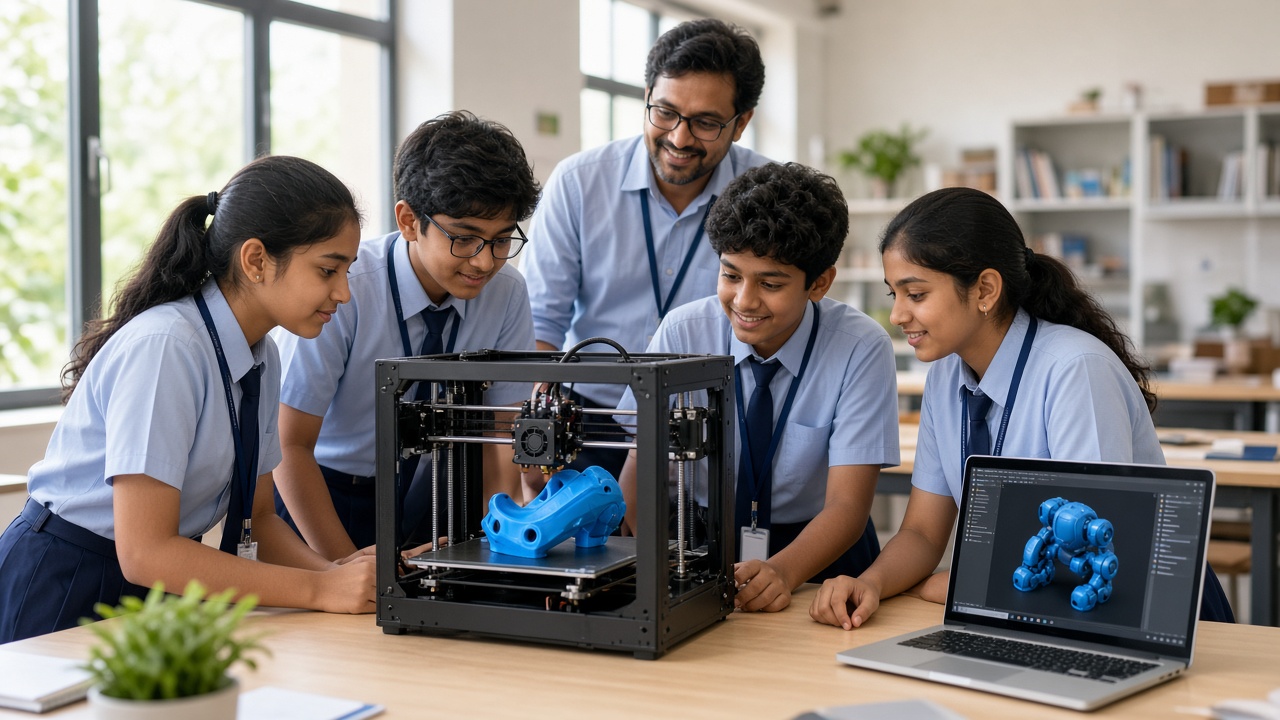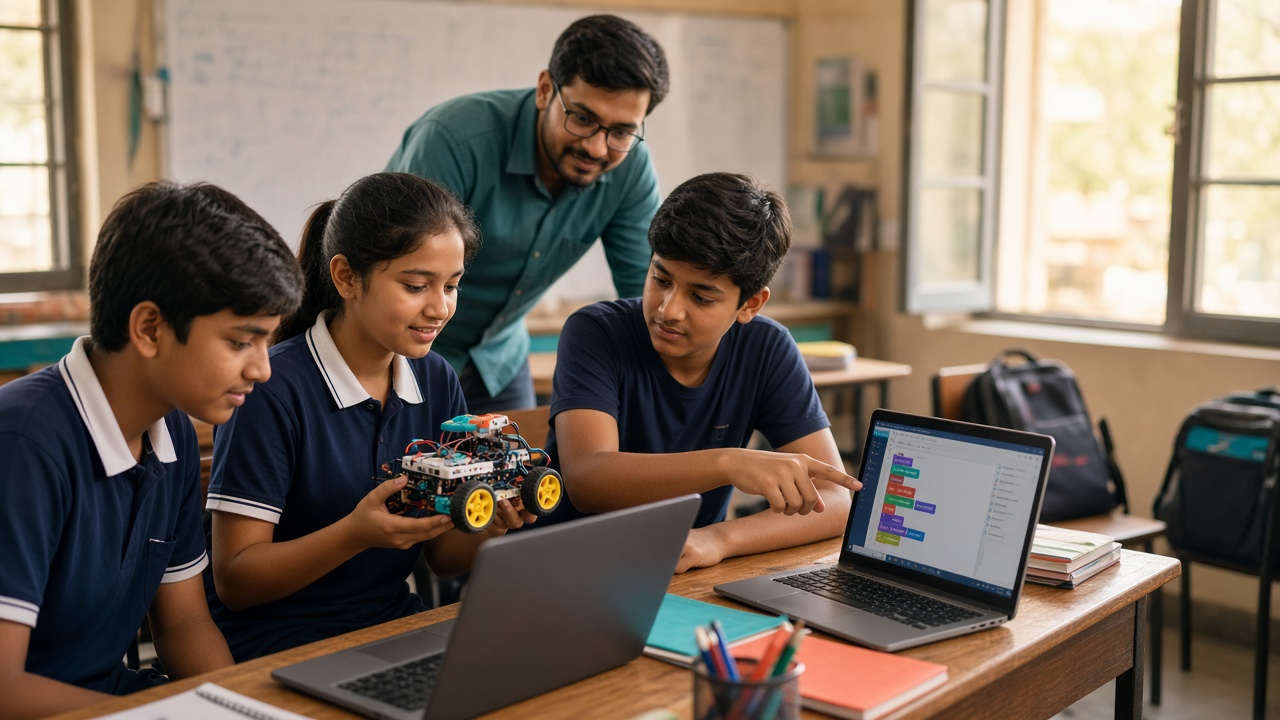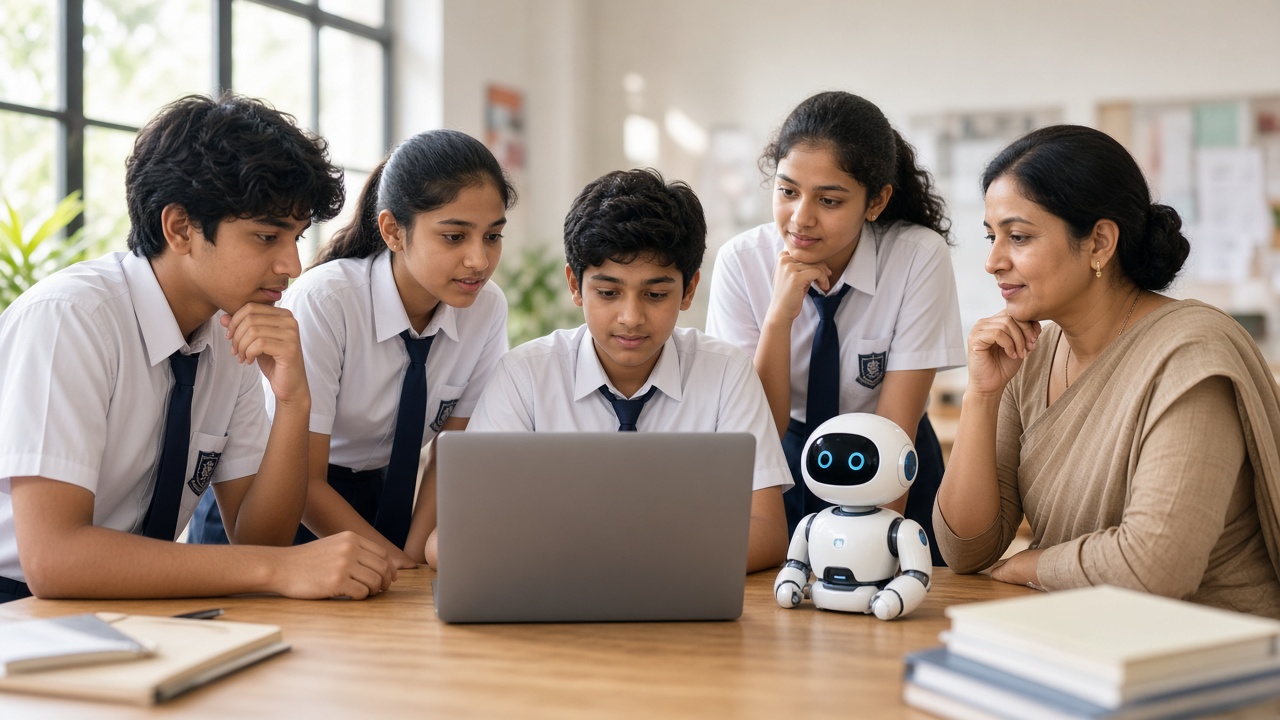
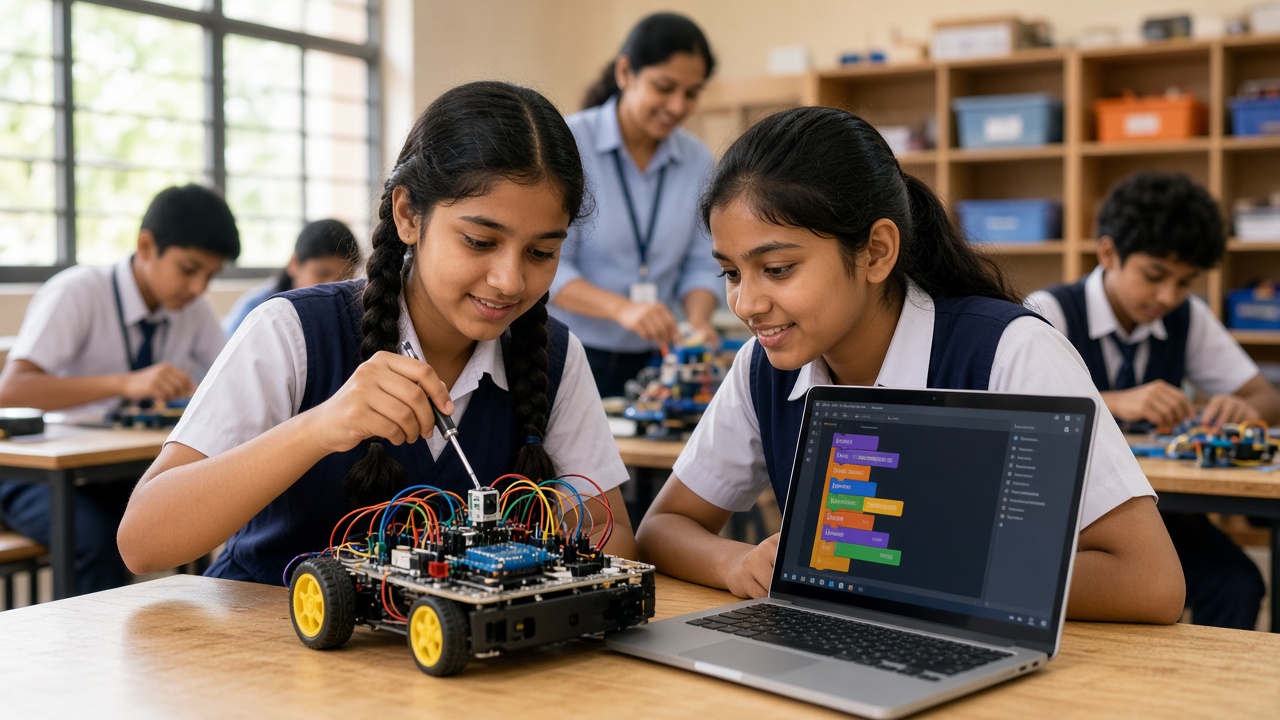
Talent is everywhere—make sure every girl gets a turn at the keyboard and the robot
A practical guide for Indian schools, teachers and parents on encouraging girls in coding and robotics—removing barriers, sharing hands-on roles, finding role models and choosing engaging projects.
Introduction
Coding and robotics are becoming everyday skills, not niche hobbies. Yet in many Indian classrooms, workshops and robotics clubs, girls are still fewer in number or end up in supporting roles while others hold the controller. This is rarely about ability. It is usually about expectations, access and the small signals children pick up about who technology is "for".
This guide is for parents, principals, teachers and students. It covers why encouraging girls matters, the common barriers, and practical steps schools, teachers and families can take, along with project ideas and online options.
Why it matters
Fair access to future opportunities. Logical thinking, problem solving and comfort with technology are useful in almost every career, from medicine and design to business and public service. Every child deserves a fair chance to build them early.
Better solutions. Technology works better when the people building it bring different experiences. Mixed teams can notice more problems and suggest more varied ideas.
Confidence that carries over. A girl who builds a working robot or debugs her own program learns that she can figure hard things out. That belief helps in every subject. It also fits the experiential, hands-on learning that NEP 2020 encourages.
Common barriers girls face
Stereotypes. Comments like "boys are better with machines" or "she is more of an arts person", even said casually, shape what children believe about themselves.
Few visible role models. If every coding teacher, guest speaker and poster shows a man, girls may assume the field is not meant for them.
Confidence gaps. Some girls hesitate to try until they feel fully prepared, while others jump in and learn by breaking things. In a crowded lab, the most confident hands often take over the kit.
Access to devices. At home, a shared phone or laptop may be used mostly by brothers or adults, leaving little practice time.
Safety and travel. After-school clubs and evening workshops can be hard to attend if transport is unreliable or families worry about late returns.
What schools can do
Form mixed teams with rotating roles. Rotate builder, programmer, tester and presenter roles every session so no student is stuck only writing notes or only holding the robot.
Guarantee equal hands-on time. Use simple rules such as "everyone wires one part" or a timer for turns at the laptop. Track informally who is touching the kit.
Invite women mentors and guest speakers. Engineers, data analysts, app developers and college students from nearby institutions can share their journeys, online or in person.
Create welcoming clubs. An Innovation Club or coding club can run some girls-only beginner sessions as a comfortable starting point, alongside mixed activities. Schedule sessions during or right after school hours where possible to reduce travel concerns.
Tie projects to real community problems. Water-saving sensors, a smart dustbin, a reminder system for elderly relatives or a safety alarm show that technology is about helping people. Many students, girls and boys alike, find this purpose motivating.
Showcase work publicly. Feature girls' projects at assemblies, exhibitions, the school newsletter and social media, so the whole school sees them as builders and coders.
What teachers can do in the classroom
Watch your language. Say "students" or "engineers", not "guys", and avoid asking "Which boy can help carry the kit?" Small cues add up.
Avoid "tech is for boys" signals. Do not assign girls decoration and documentation by default while boys handle motors and code.
Assign leadership deliberately. Make girls team captains, lead programmers and presenters, and give specific praise for effort and problem solving.
Normalise mistakes. Treat bugs and failed builds as a normal part of learning, so students who fear being wrong feel safe experimenting.
Call on students fairly. Pause before taking answers so quieter students have time to respond.
What parents can do at home
Share devices fairly. Set aside regular screen time for learning to code, not only for schoolwork or entertainment.
Be curious together. Build a simple circuit, try a block-based coding app, or take apart an old toy to see how it works.
Choose gifts thoughtfully. Consider a beginner robotics kit, a microcontroller starter set or a puzzle game that builds logic.
Mind your words. Avoid phrases like "maths is not your thing" and praise persistence rather than "being smart".
Help with logistics. Arrange safe transport or carpools with other families for clubs, workshops and competitions.
Starter project ideas with broad appeal
Interactive stories and games. Create an animated story or quiz in Scratch, mixing creativity with logic.
Smart plant monitor. Use a soil moisture sensor to signal when a plant needs water.
Assistive devices. Build a simple obstacle-detecting alert or a pill reminder for a grandparent.
Art robots. Program a small robot to draw patterns on chart paper.
Simple AI projects. Train a beginner-friendly image or sound classifier to sort recyclable waste or recognise gestures.
Online options
Online classes and coding platforms can help girls who face travel or timing limits. Block-based tools and robotics simulators let students practise without hardware. When choosing online programs, look for live interaction, small groups, clear safety practices and teachers who encourage every student to speak.
Frequently asked questions
Q: At what age should girls start coding and robotics? A: There is no special age for girls. Many children begin with block-based coding around ages 7 to 9, and readiness matters more than age.
Q: Should schools run girls-only sessions? A: They can be a useful, comfortable starting point, especially for beginners. Combine them with mixed teams so everyone learns to collaborate.
Q: My daughter says she is not interested. Should I push her? A: Avoid pressure. Offer varied, low-stakes experiences such as art robots or game design. Interest often grows once a project connects to something she already enjoys.
Q: Do we need expensive kits to start? A: No. Free coding tools, simulators and a basic shared kit are enough to begin.
Build an inclusive STEM culture with SheepByte
SheepByte is an AI and robotics education company based in Udaipur, Rajasthan. We work with schools and students through our AI Learning, Coding Bootcamp, Drone Technology, Innovation Club, Robotics Lab and STEM Integration programs. We run workshops in Jaipur, Delhi and online, and help schools set up robotics labs.
If you want more girls to code, build and lead in your school, ask us about starting an Innovation Club, Robotics Lab setup, STEM Integration or hands-on workshops. Email support@sheepbyte.com or visit sheepbyte.com.